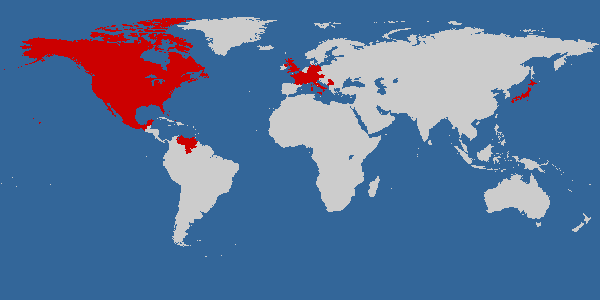
Pretty cool map feature showing what percentage of the world you have visited (I'm at 7%).
create your own visited countries map






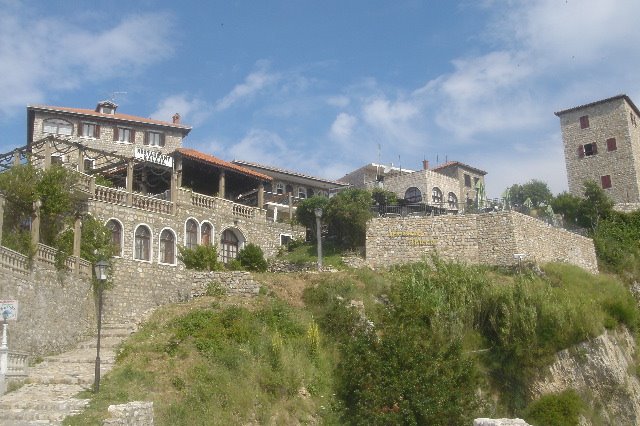






(W)hat can be the strategic value of a highly visible large building in the center of the city, especially after being emptied of its personnel and equipment? Physically, its strategic value is zero. The only possible strategic justification for the destruction of this building was its symbolic disappearance from the skyline.


We don't think capitalism is necessarily a bad thing, especially when it's done right. That is, when the process is transparent and everyone gets their fair share. We do our best to use products made in America by sweatshop-free labor, whenever possible; and we are committed to earning profits for our community of do-gooders and designers.


French philosopher Derrida stares death in the face in this dense but rewarding inquiry. Beginning with an analysis of an essay on the sacred by Czech philosopher/human rights activist Jan Patocka, Derrida follows the development of moral and ethical responsibility, and the concept of the soul's immortality, in the transition from Platonism to Christianity. He then ponders the self's anticipation of death in sacrifice, war, orgiastic mystery cults, murder and execution, with reference to Kierkegaard's Fear and Trembling, Nietzsche, Heidegger's thought (a "constant attempt to separate itself from Christianity") and the biblical story of Abraham's contemplated sacrifice of his son, Isaac, at God's behest. In the most provocative section, Derrida links religious injunctions of sacrifice to the "monotonous complacency" of modern society, which allows tens of millions of children to die of hunger and disease.
In this short piece I am not undertaking to give a full discussion of the whole of Patočka’s ‘heretical’ work. I wish only make clear its most essential core. What, in Patočka’s view, made Europe Europe and what is Europe’s bequest to the world after what Patočka describes as its fall, completed by the two world wars? What should Europe look to conserve in itself if—as seems likely—it would like to once again play a respected role in world events? Is there something which the globalised world should take over from old Europe, or something which it should eschew, if it does not wish history to end and utter decadence to ensue?